


Explore Flavia's experience during a dengue outbreak in São Paulo (Brazil). Read about Flavia’s experience working in primary care, preventive measures, and the importance of community efforts in managing dengue cases. Stay informed and help prevent dengue in your community.
This story represents one person's experience with dengue disease during a dengue outbreak and is only intended to provide general knowledge of the topic. It is important to talk with your doctor if you are experiencing any symptoms that could be dengue disease. Dengue symptoms vary and are often unnoticeable or mild.

The number of dengue cases was overwhelming.
April 2024 was the worst month I had seen in São Paulo (Brazil) for dengue. The waiting time increased because the demand was so high. Naturally, with more cases, there were also more severe cases. Some people came in with no alarming signals, but others had serious symptoms like bleeding.
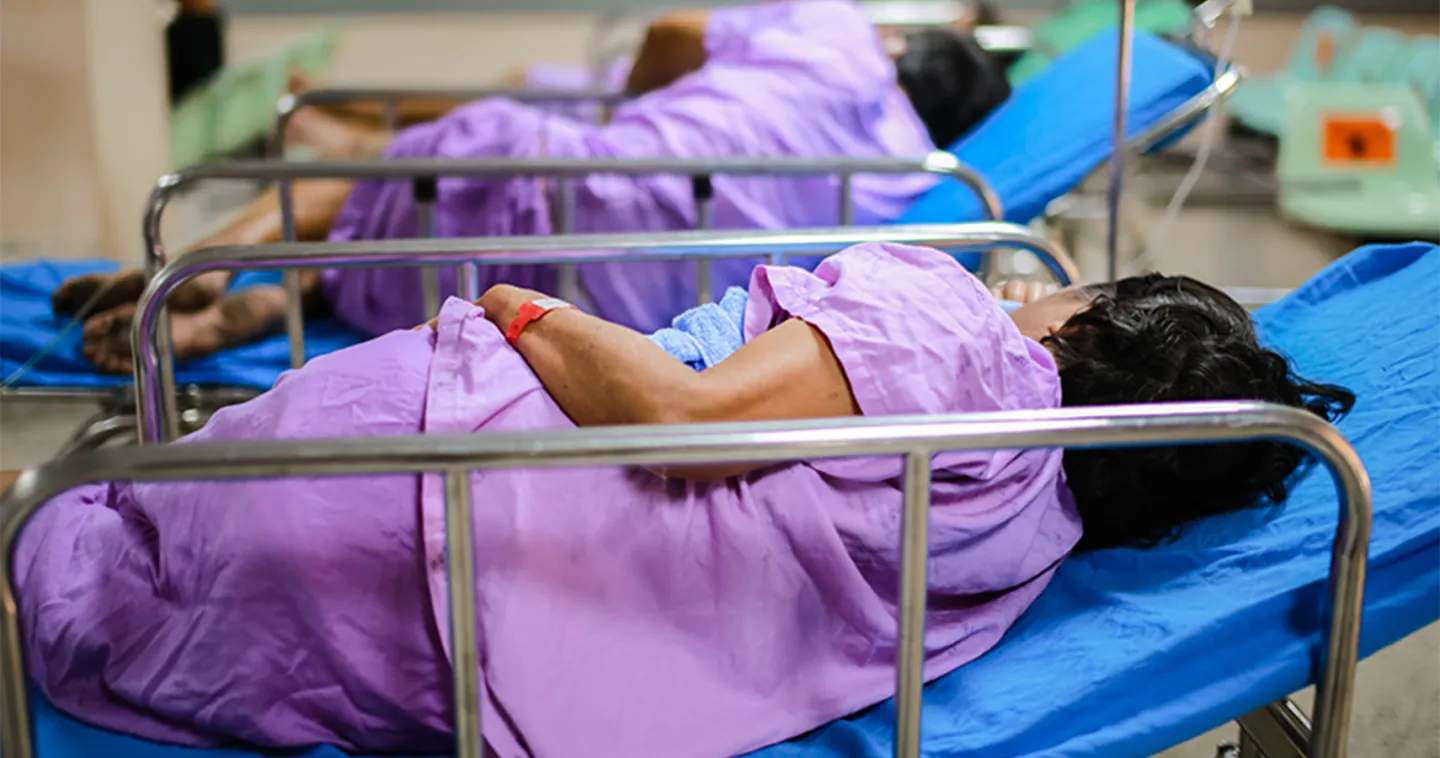
I saw a lot of dengue cases—many, really. Most were controlled because I am a physician and I work in primary care, but some patients had to be hospitalized.
“During that dengue outbreak, I noticed a certain insecurity even among professionals.”
– Flavia
The signs of dengue weren’t always clear, sometimes they showed up behaving differently than what was expected. It was challenging for us, but I think the experience helped. Now, I see that things are more aligned, and protocols are clearer.
There was also difficulty with diagnosing dengue.
Many times, we suspected dengue, but it turned out to be something else—like gastroenteritis. A patient would come in with vomiting, diarrhea, body aches, and a headache, and it seemed like dengue, but it wasn’t. Other times, it was the opposite: a case looked like gastro, but it was actually dengue. Because of this, we had to request more tests to be sure.
I worked in both the public health clinic and at a private hospital. At the public clinic, we had a reception area where people came in with acute symptoms—fever, feeling unwell. Usually, they would come in and schedule an appointment for later in the day, but during the dengue outbreak, the vacancies filled up quickly. People would arrive at 7 AM, but the first available slot would be many hours later. At the ER, people arrive and wait, usually an hour or less depending on the time of the day. During that outbreak people would wait for many hours, 3 to 4 in the private hospital…
We did a lot of tests for dengue, but one of the tests could only be carried out on a specific window after symptoms, so people sometimes had to return on the correct day to get tested … This added a lot of complexity to the flow, especially when there were so many patients.

Even without a test, if a patient had characteristic symptoms, we treated it as dengue. The worst days of the infection are usually between the third and sixth day. If someone arrived early, they might not be feeling too bad, but we knew they could worsen. We always tried to request the test though, not just for the patient but for epidemiological tracking. Cases were notified under suspicion, and later, the notification would be updated with the test result.
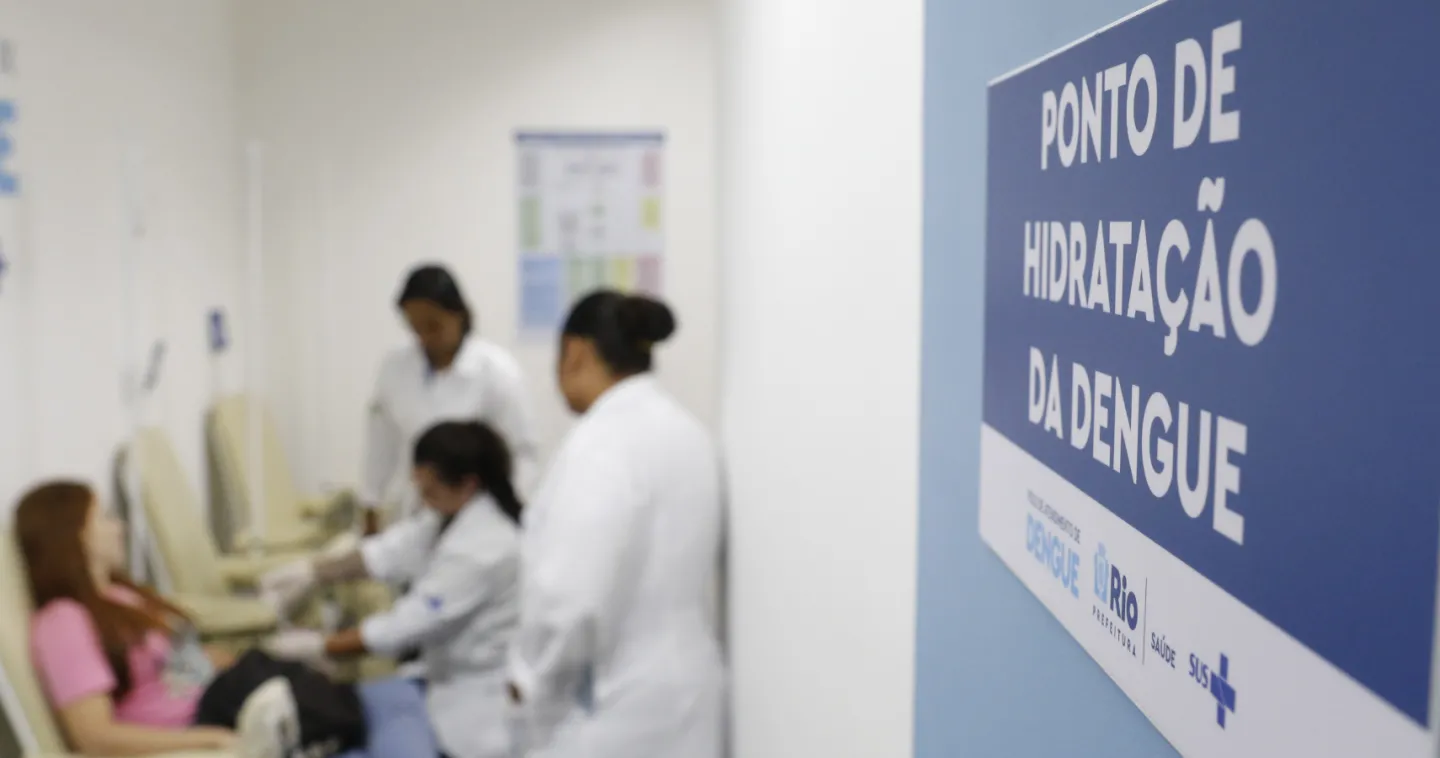
Hydration was a big issue too.
Many people were poorly hydrated, and some needed intravenous fluids. If a patient showed signs of severe Dengue when coming to the public clinic, we had to transfer them to the hospital. That required paperwork, which took time, and with so many patients, we often left work late and worked many extra hours.
With dengue, I think people are not as scared of it as they were with other viruses. They are used to living with dengue, but when they need to come into the public health clinic or the hospital, are diagnosed with dengue and feel some of the symptoms, they say “Wow, it’s really bad, isn’t it?”.
They don’t expect the symptoms to be that strong.
Dr. Flavia is a physician serving communities in Sao Paulo, Brazil. She works in both public health clinics and private hospitals, where she witnessed first-hand the impact of an outbreak of dengue.
C-ANPROM/INT/QDE/0242 | September 2025
-
Image

-
Image
-
Image

-
Image

-
Image

-
Image

-
Image
-
Image
-
Image

-
Image

-
Image






Do you have a dengue story to tell?
Your experience could be the key to helping others understand the impact of dengue. Whether you have been directly affected or have supported someone through it, your story can raise awareness, inspire others, and contribute to the global fight against dengue. Every voice matters, and by sharing your story, you can make a difference.